Introduction
Like van Gogh, I didn't begin to take my own art seriously until my mid-20s. I know, I know - bold to start an art retrospective with a comparison to one of the most popular artists in recorded history. But I promise that's where our similarities end; I'm no impressionist genius. I'm just an amateur trying to build a habit of working on the fundamentals and figuring out what techniques help bring me closer to expressing how I see this beauteous world.
I intend to make this a series with two main goals:
- Help other artists by providing my process, results, and my thoughts and opinions on my own progress.
- Spend some time reflecting on the work I've done to expose my own weaknesses and areas of potential improvement.
With all that out of the way, let's take a look at how I spent this week in art.
The Joy of Value - or the Value of Joy?
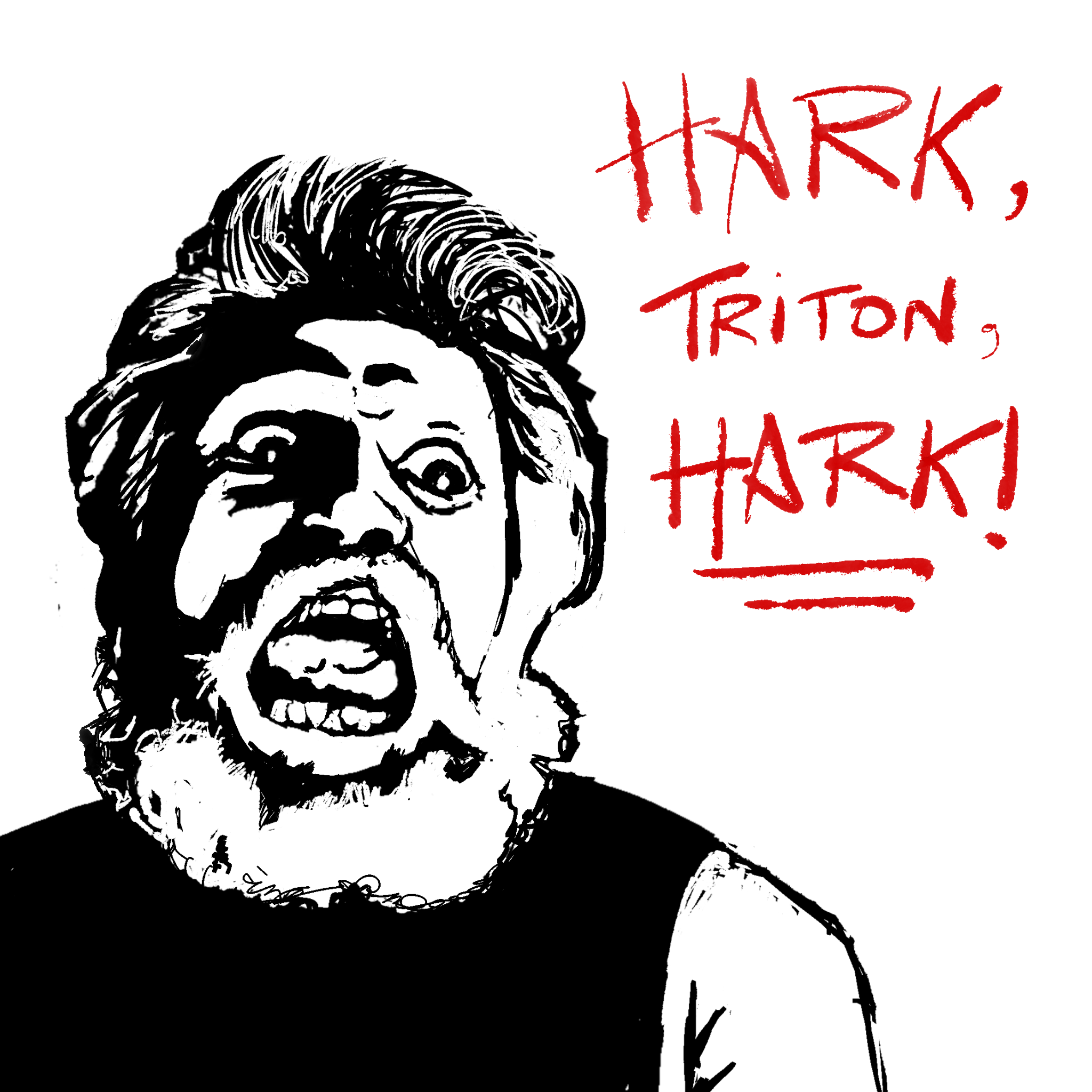
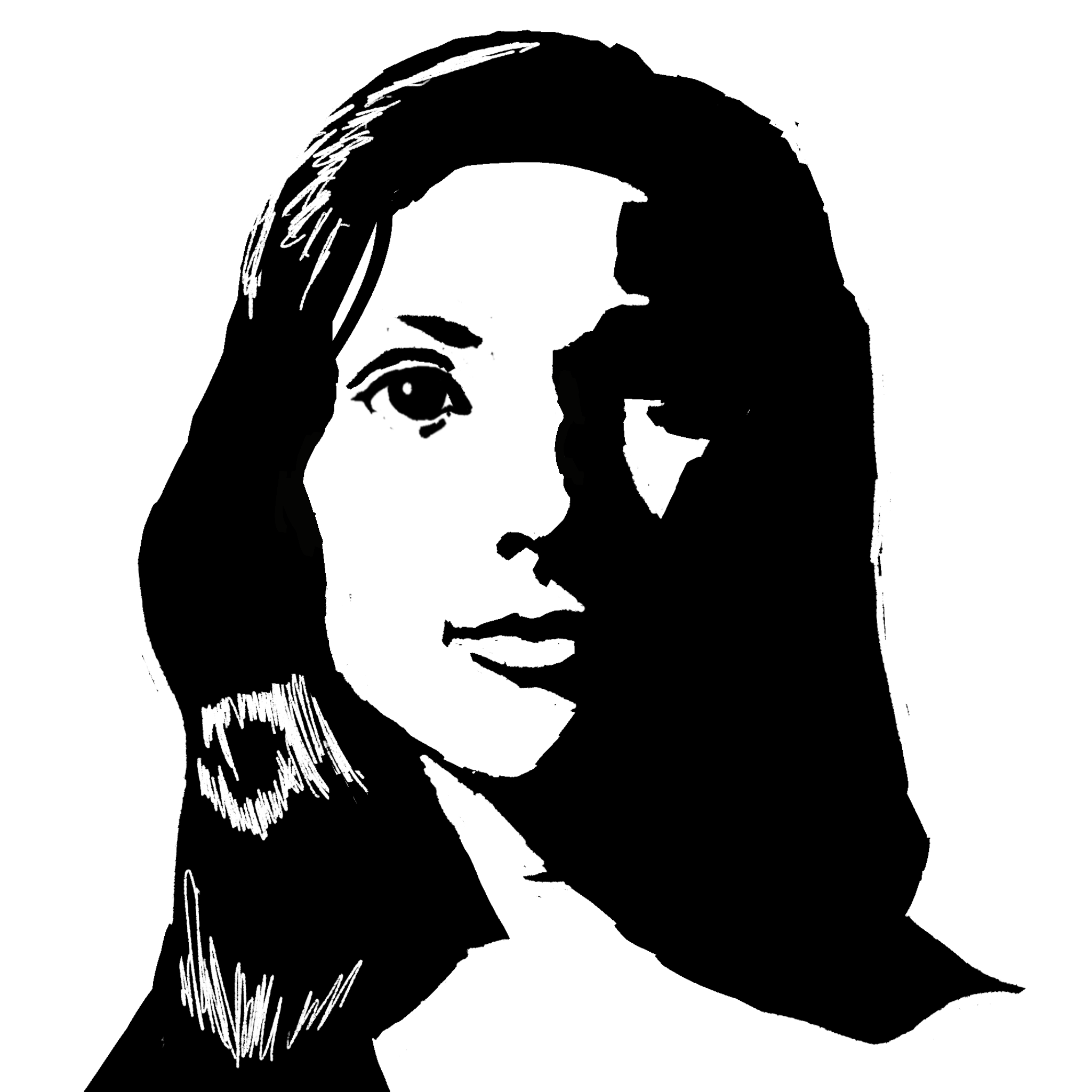
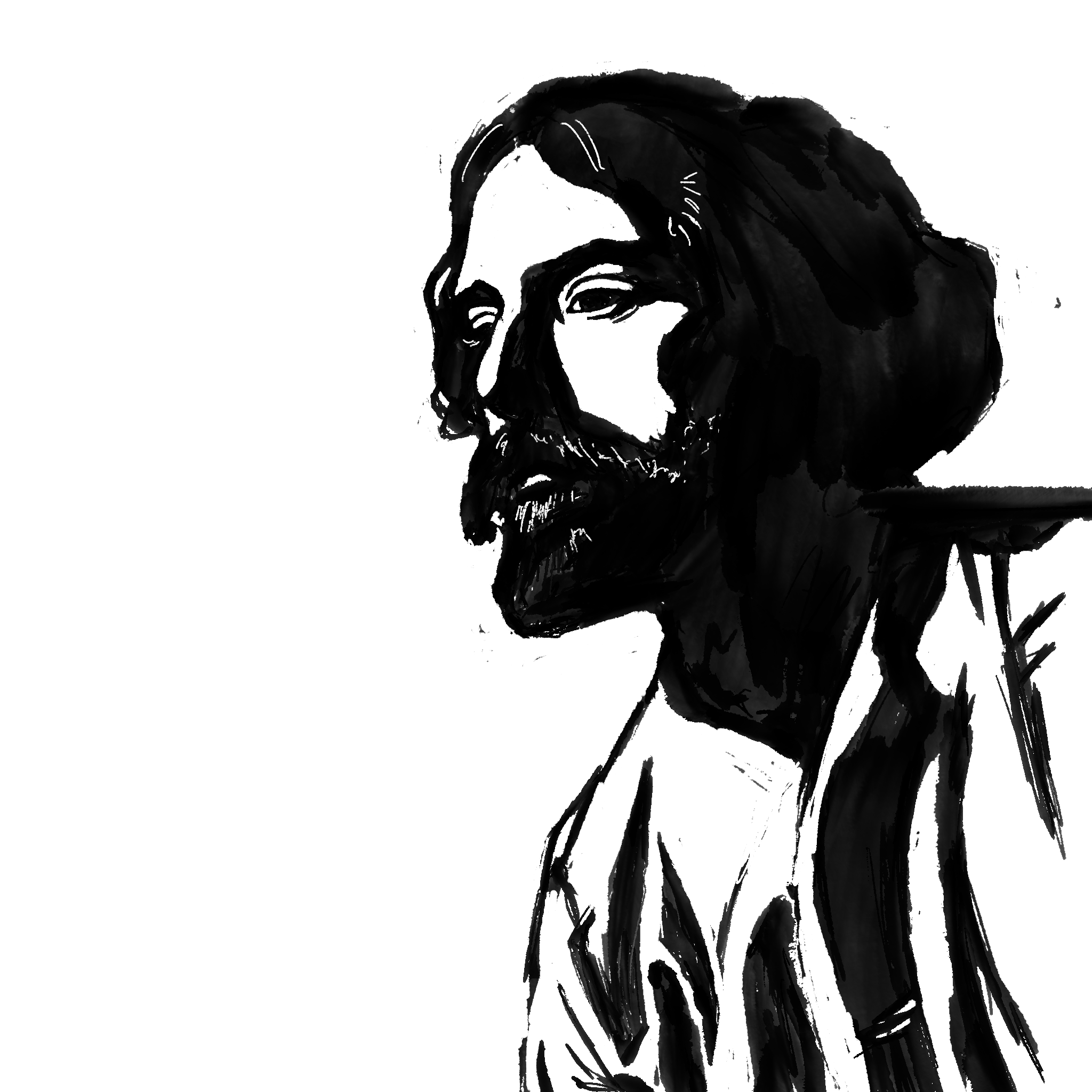
A big theme for me this week was 2-value study. I've attempted value studies in the past, but I found it overwhelming trying to get tones that looked right when analyzing photographs that naturally have thousands upon thousands of different values. That was until I got some very good advice: simplify even further.
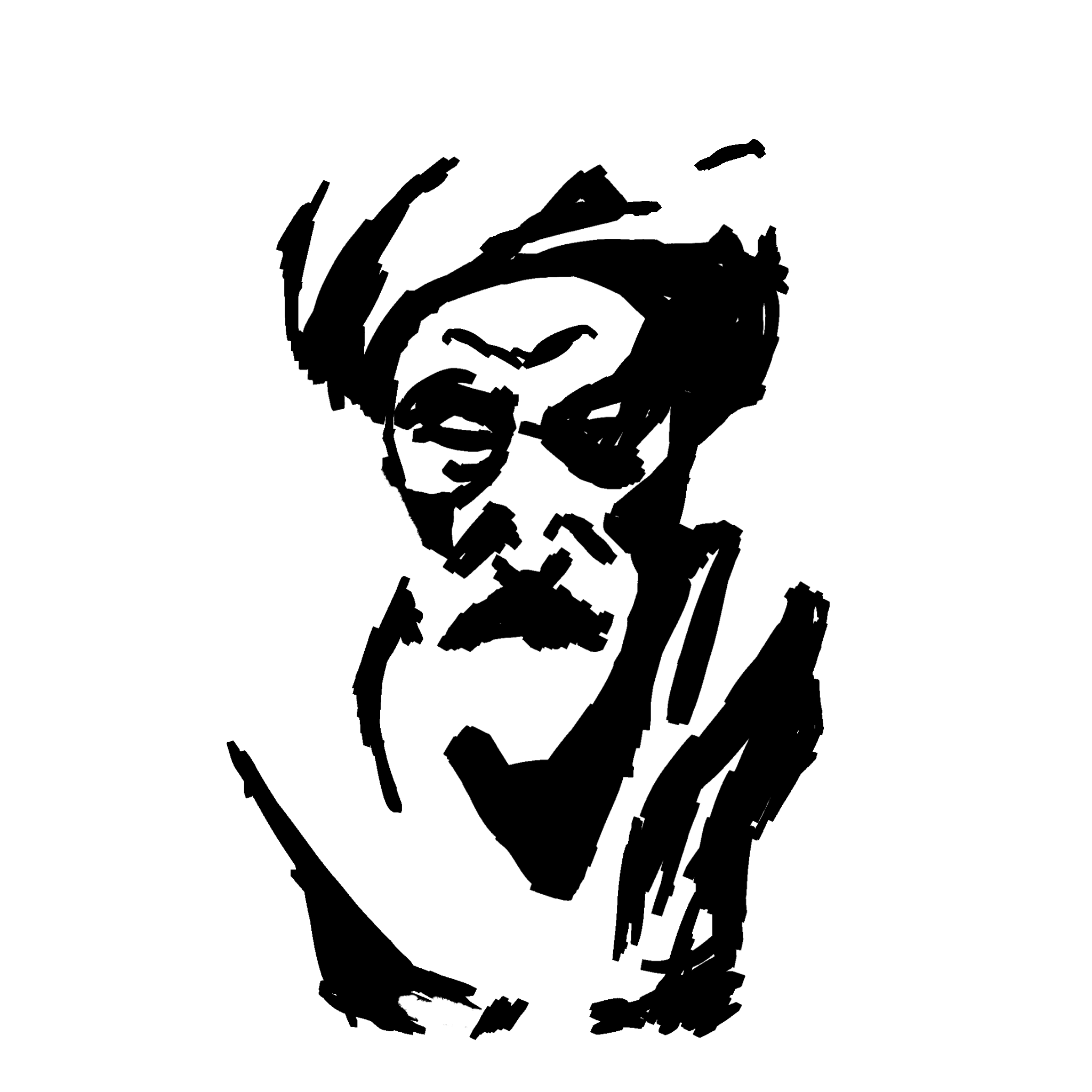
I'm a software engineer by trade, so it's embarrassing how long it took me to frame these visuals in binary. Mentally separating the reference images into values of pure black and white made it so much easier to distinguish the boundaries between dark and light. Combine that with the fact that I was now working with harder light references than I had been, and I felt much more confident and clear in deciding where to put down each value.
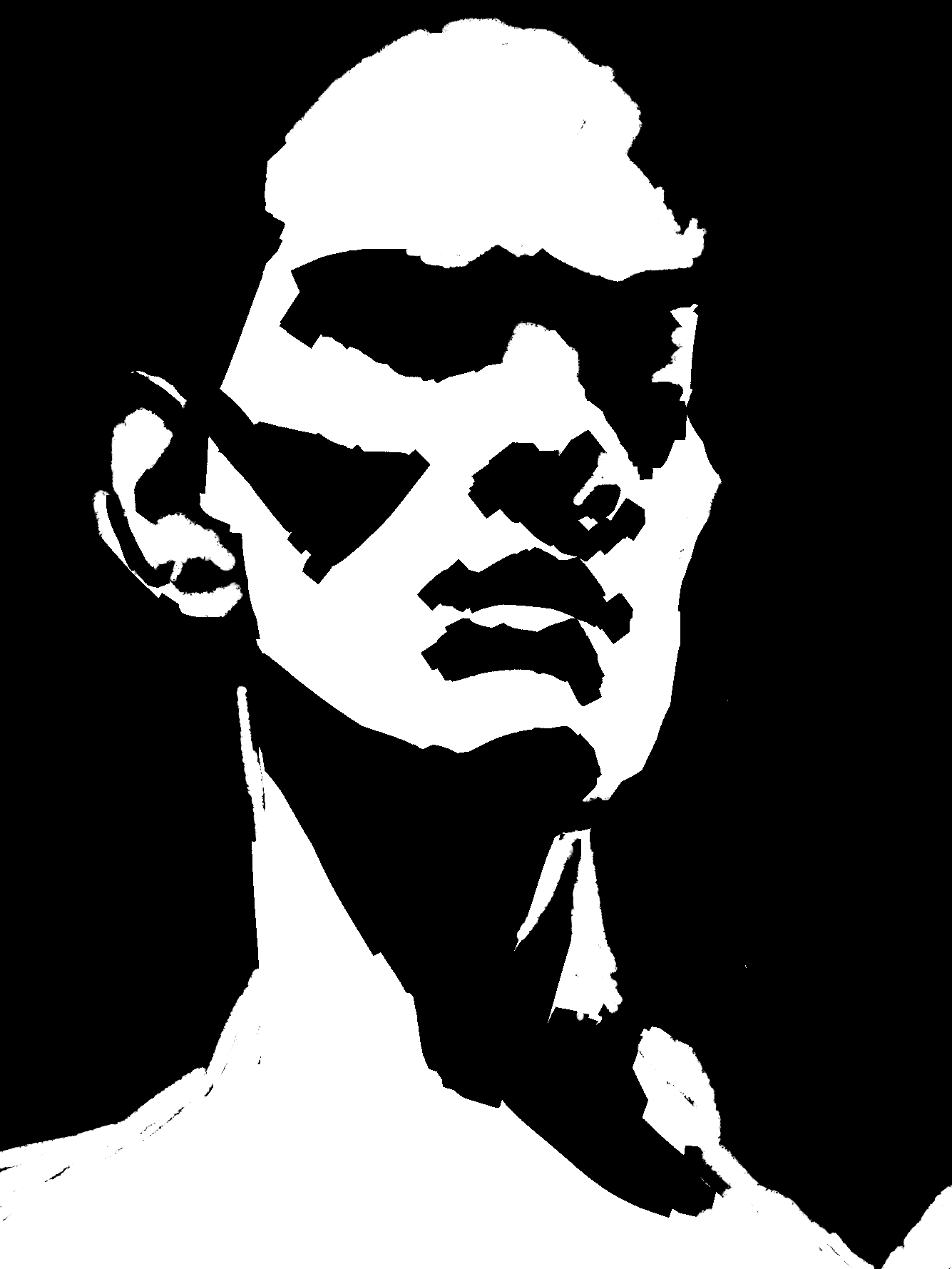
One thing that I picked up on as I was experimenting with value was the power of negative space. I had naively assumed that all shape had to be explicitly defined with a line or an edge. That's not true at all! So much form can be implied through the absence of any markings. The eraser became essentially a second brush with this in mind.
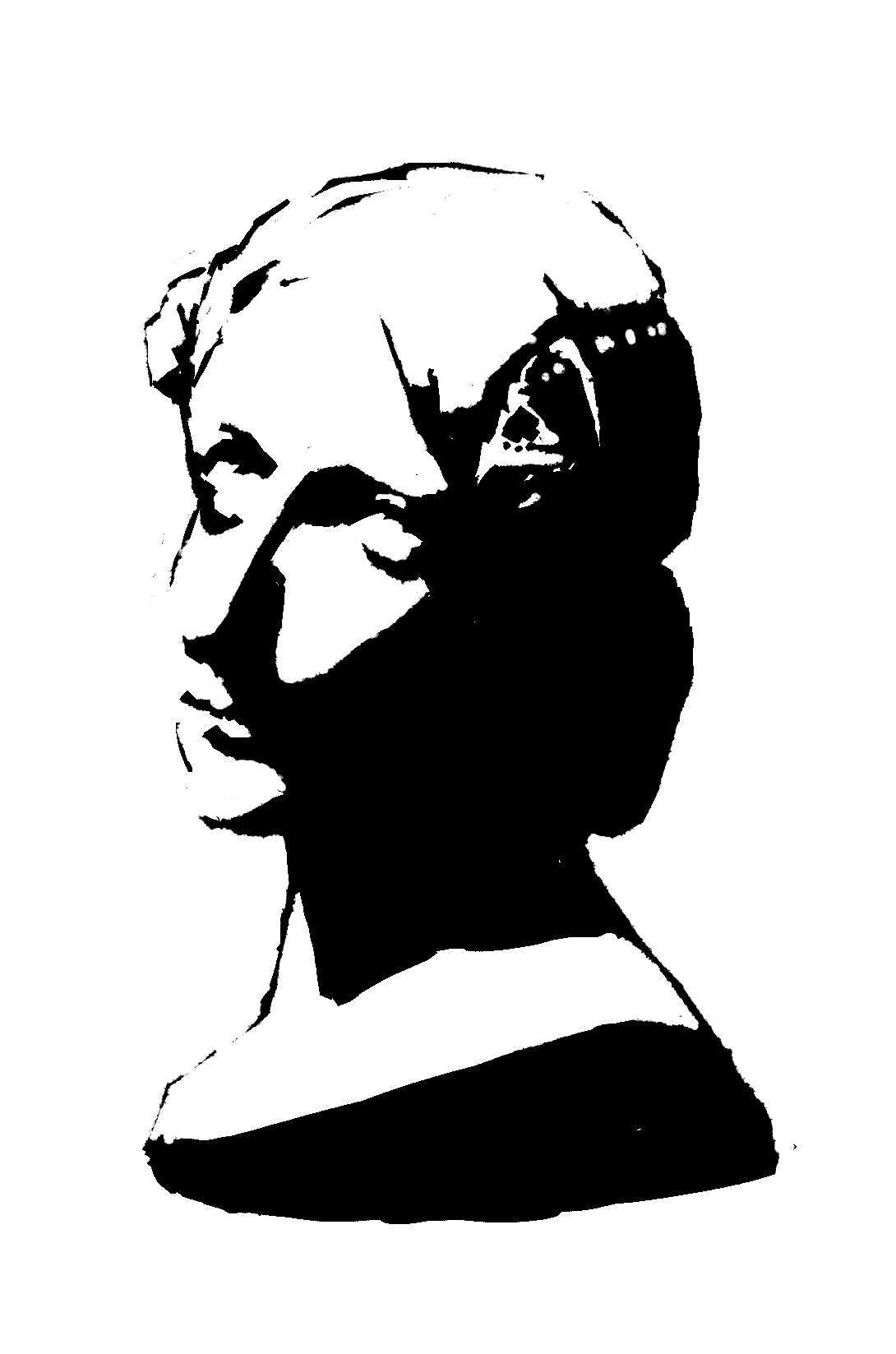
At this point, I began to really enjoy the process of 2-value. It allowed me to almost turn my brain off and focus on black and white. It was very zen. Yin and yang. I think one of the most important parts of the process is having fun with creation.
The Gesture Jester
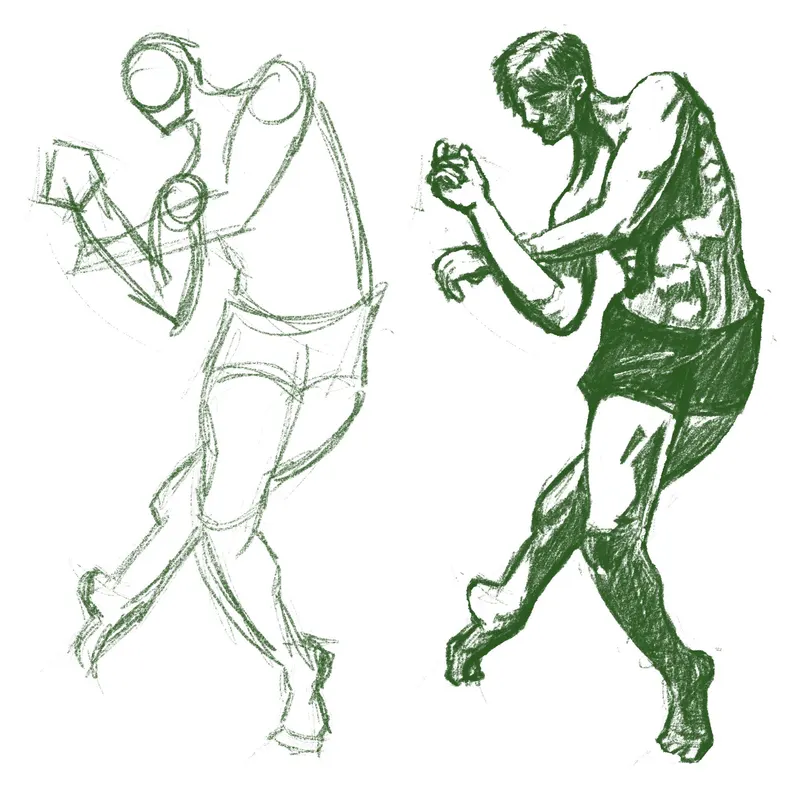
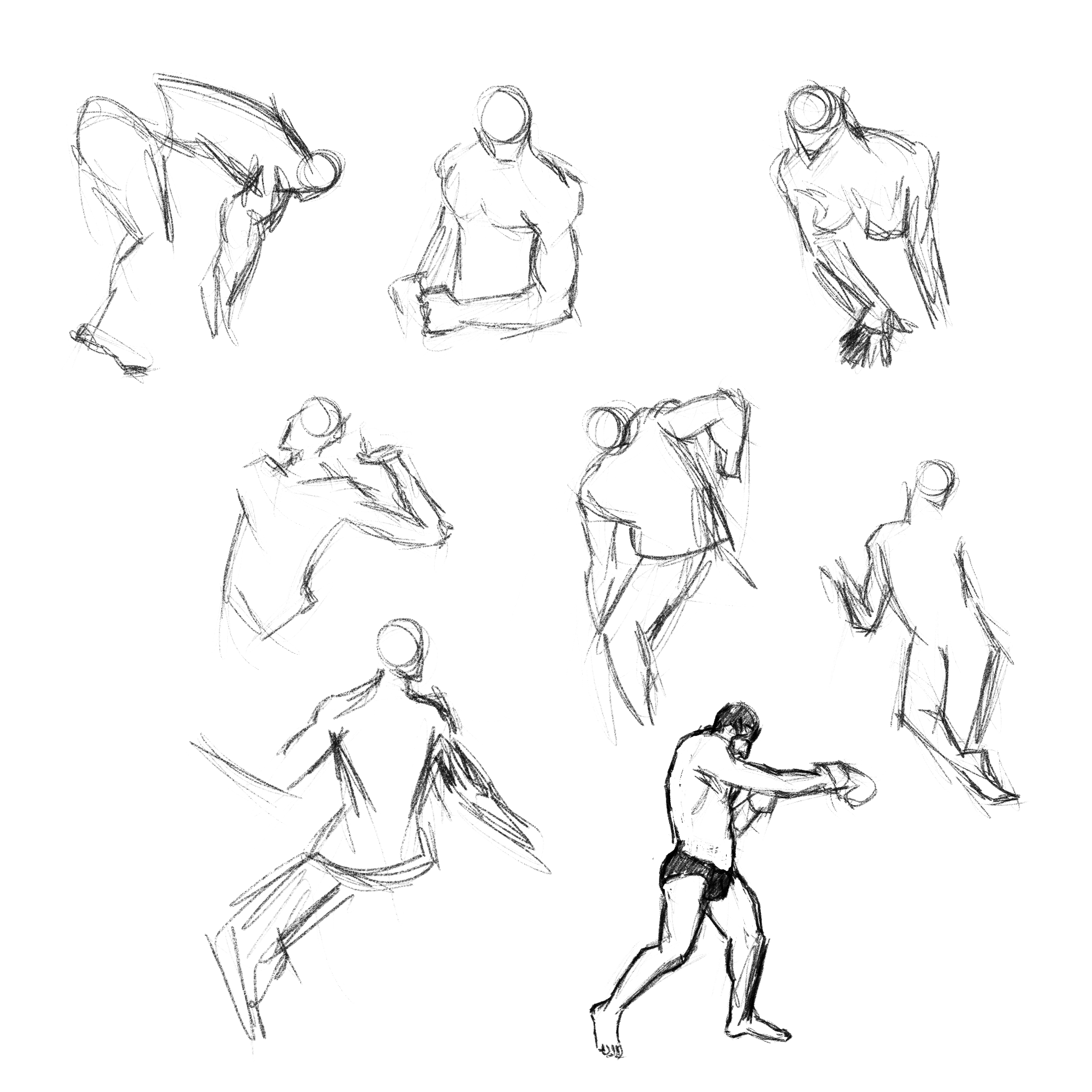
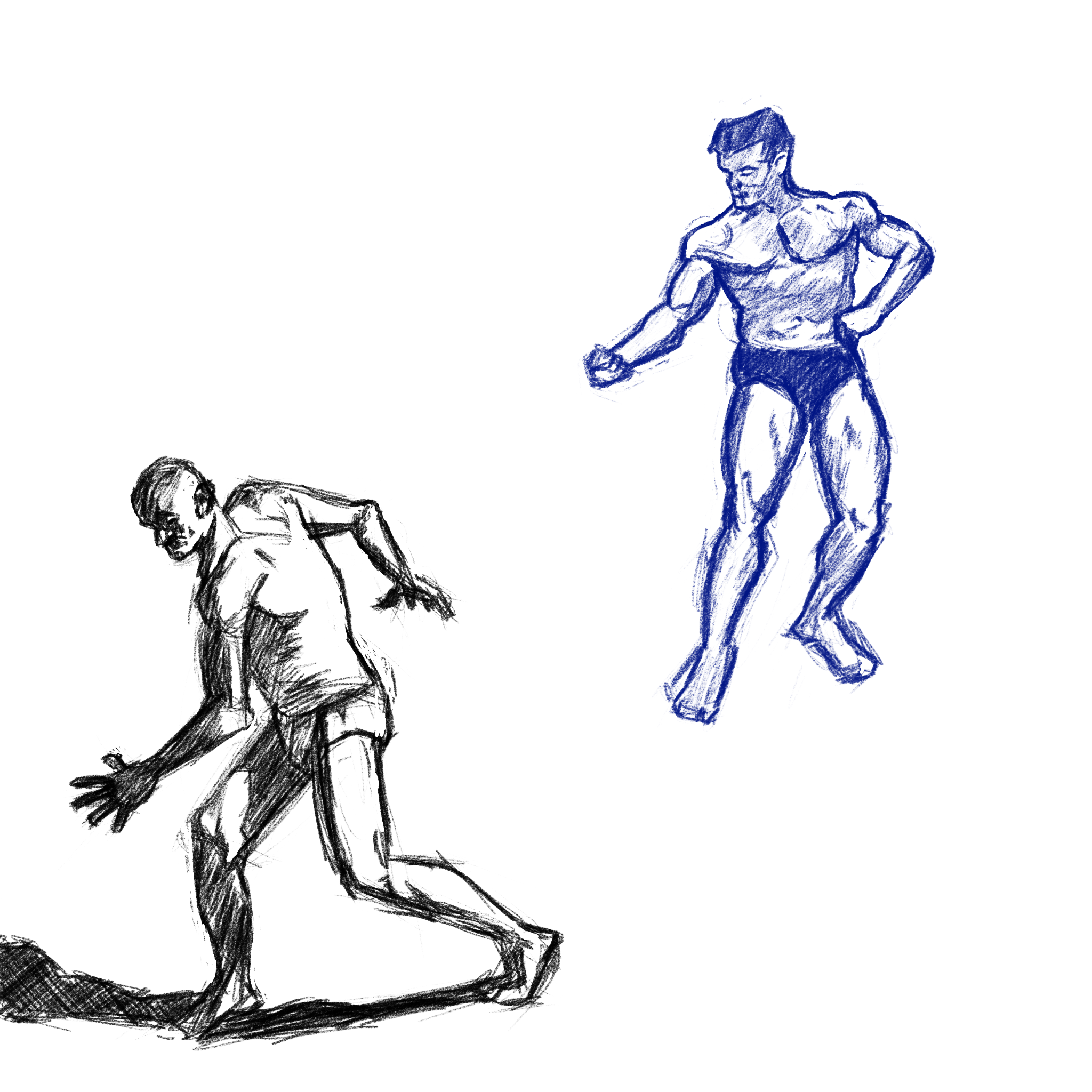
Something I've heard so many talented artists talk about but always seemed so daunting to me is gesture. I still don't feel quite proficient in it, but I'm greatly enjoying its practice. It's mechanical, repetitive, and meditative. I like to add a little pressure by adding a time constraint, but sometimes I'll get carried away and spend a little extra time on a figure or two.
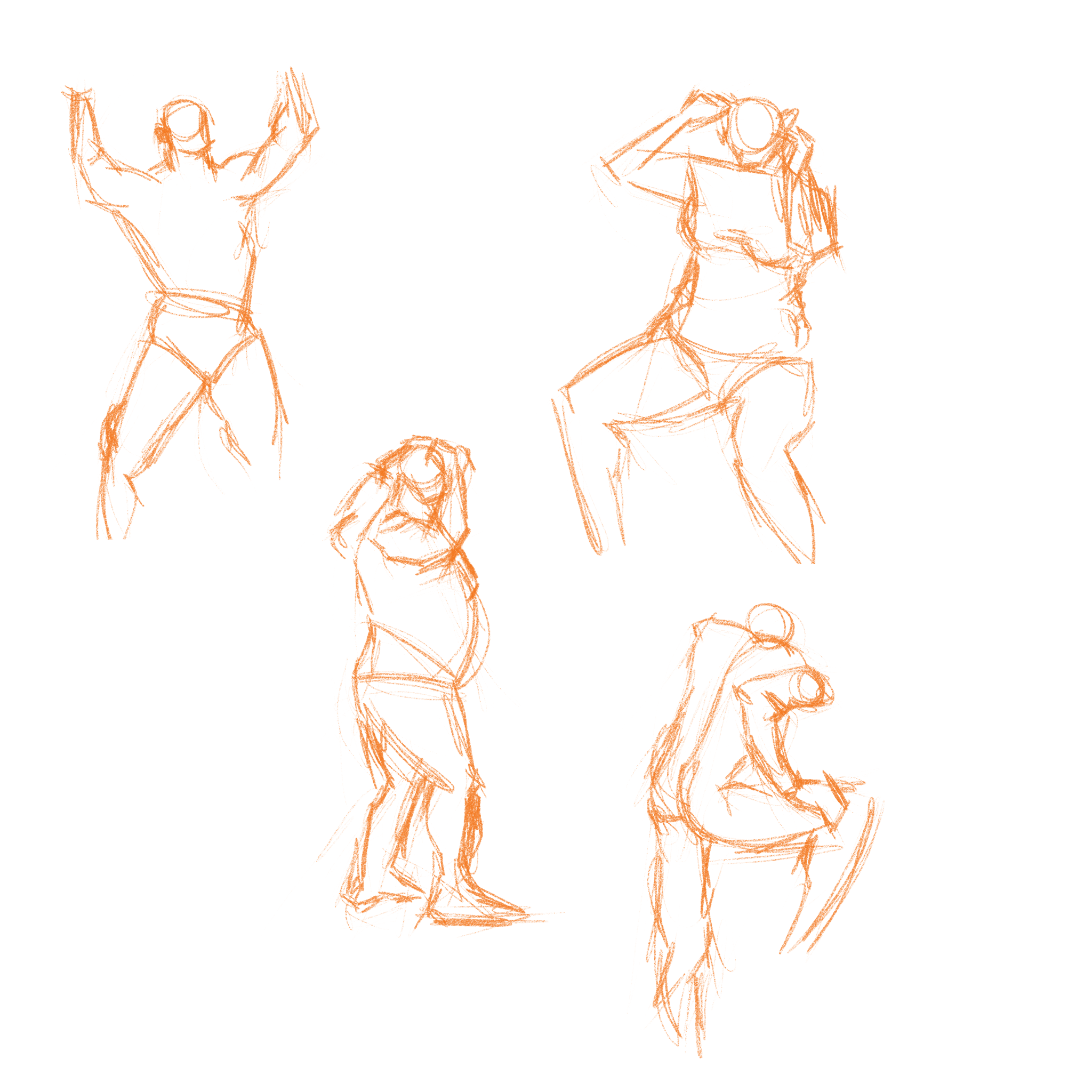
One thing I have been struggling with is getting a complete gesture in under a minute. 2 minutes is usually enough time to get all the limbs in, but my poor 1-minute subjects tend to be armless or legless. Forget about hands entirely.
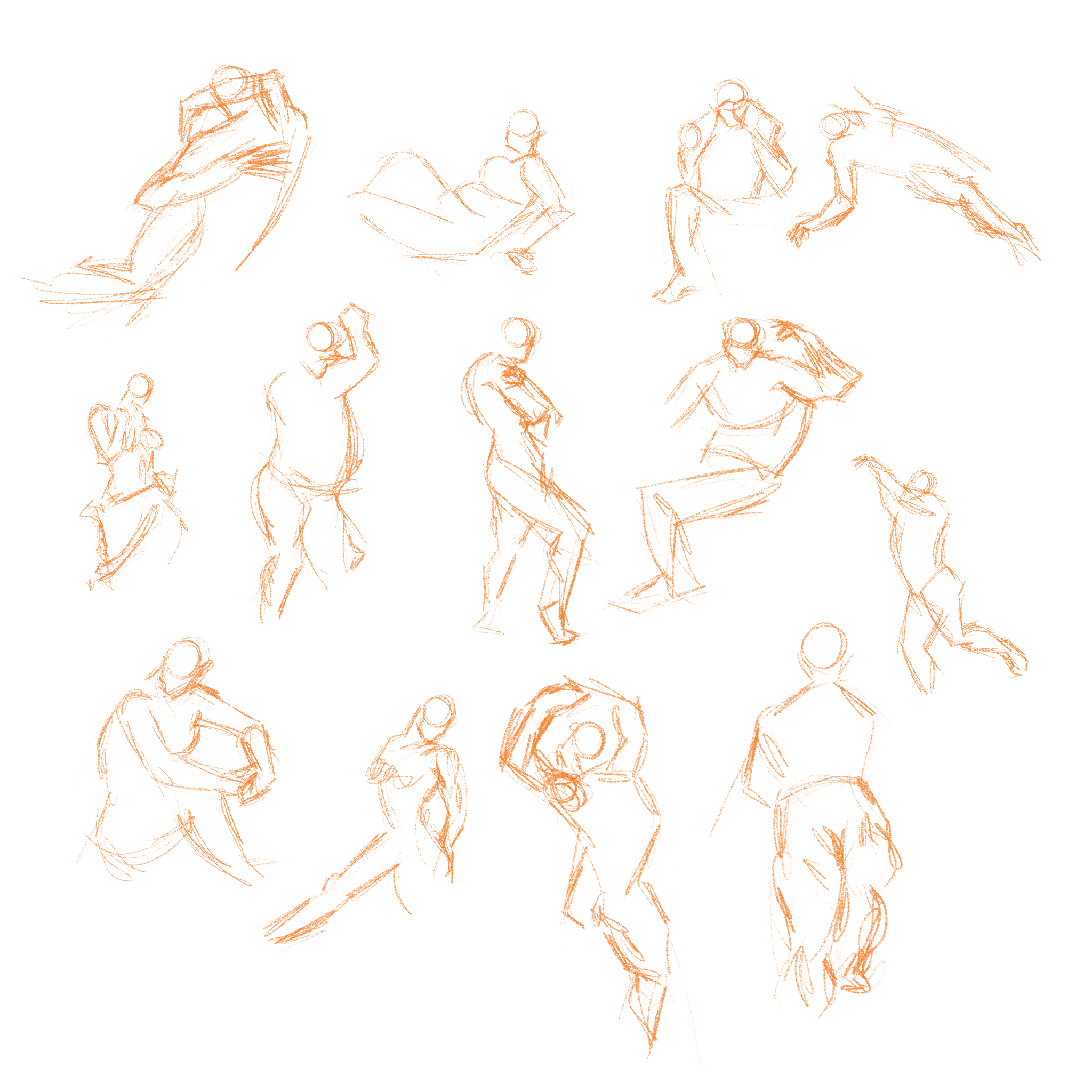
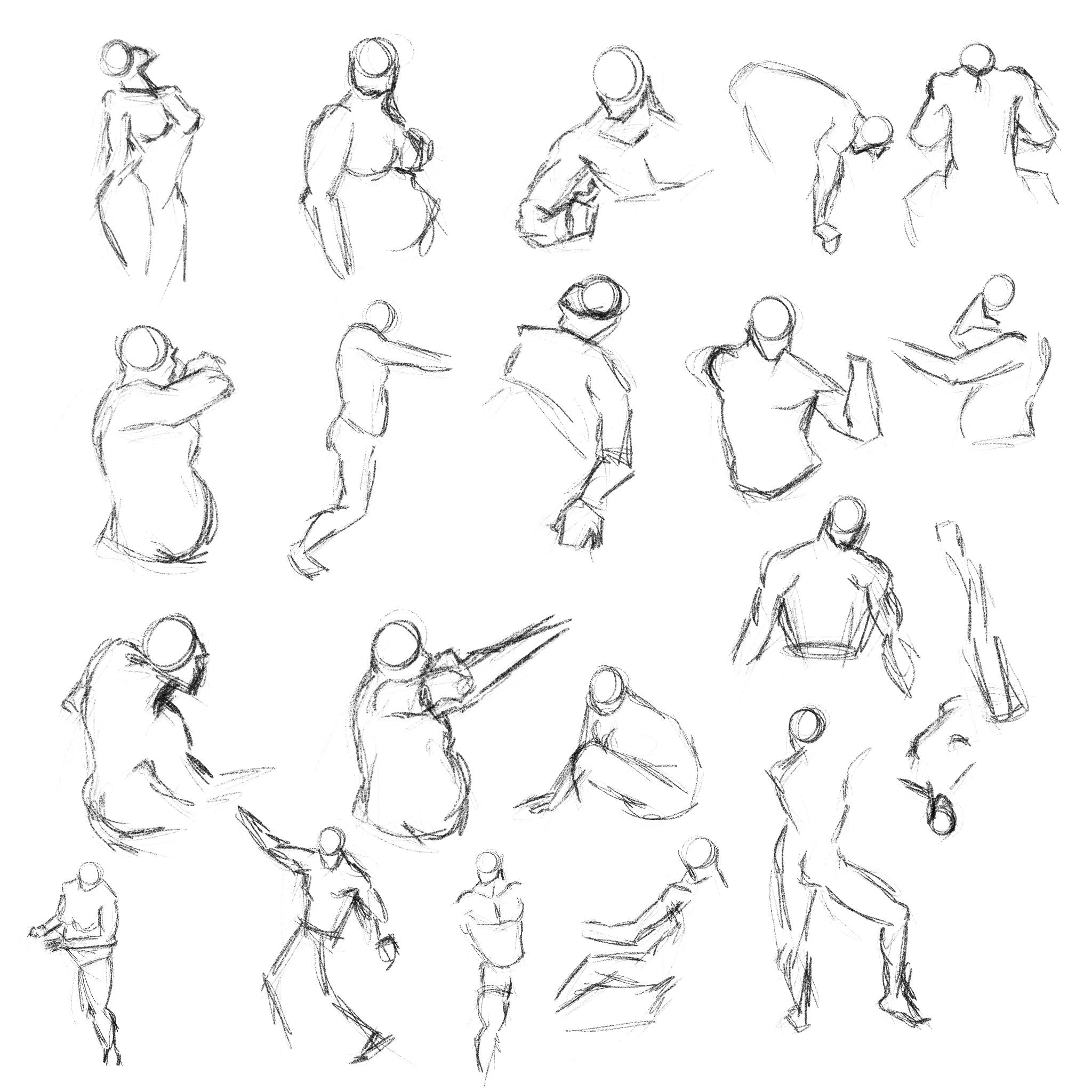
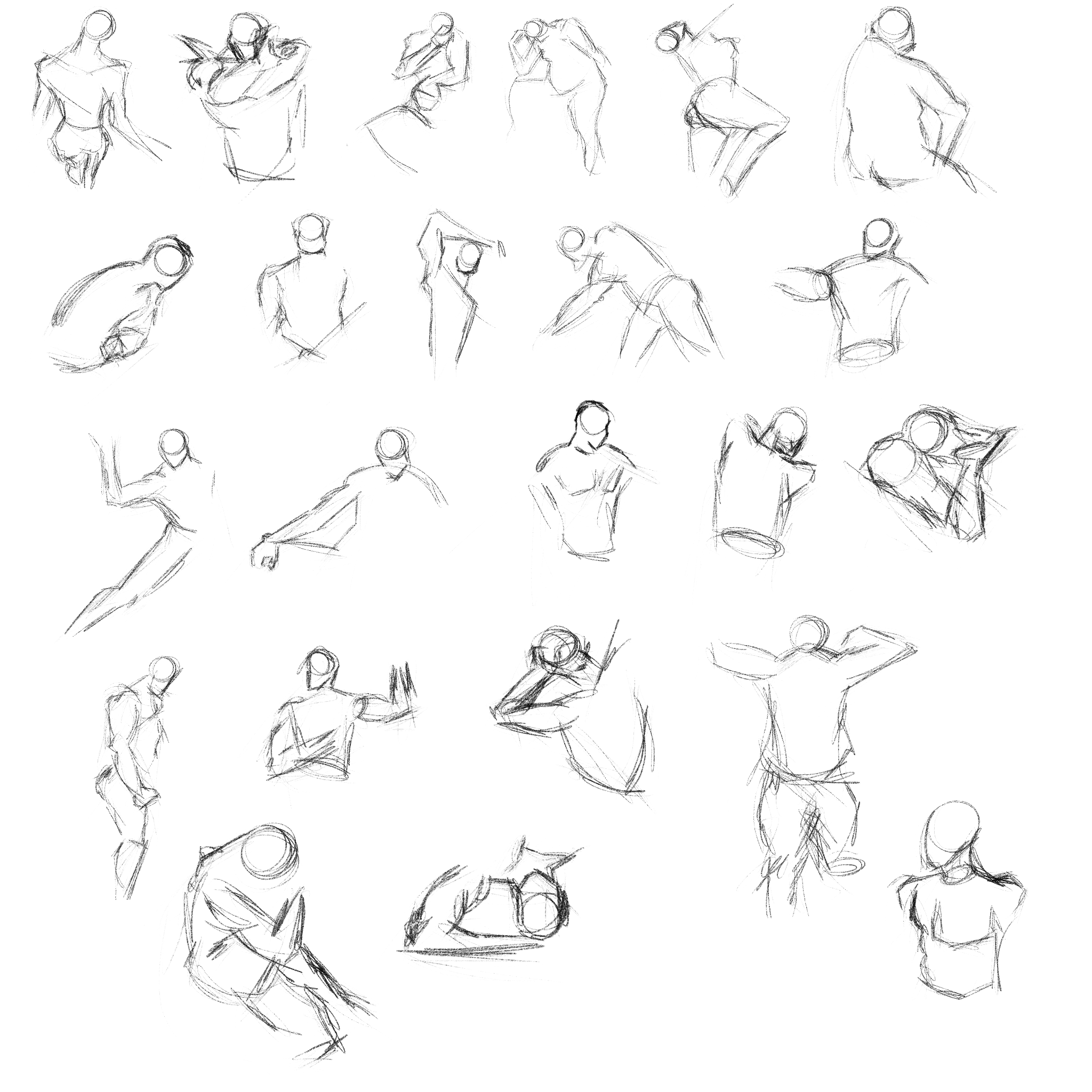
The gesture and value practice makes it especially easy to ensure I spend at least a little while drawing every day. Improvement might not be noticeable in the quotidien, but over long stretches of time it's definitely there. It's satisfying. Nothing is quite as rewarding, in my opinion.
Drawing for fun!
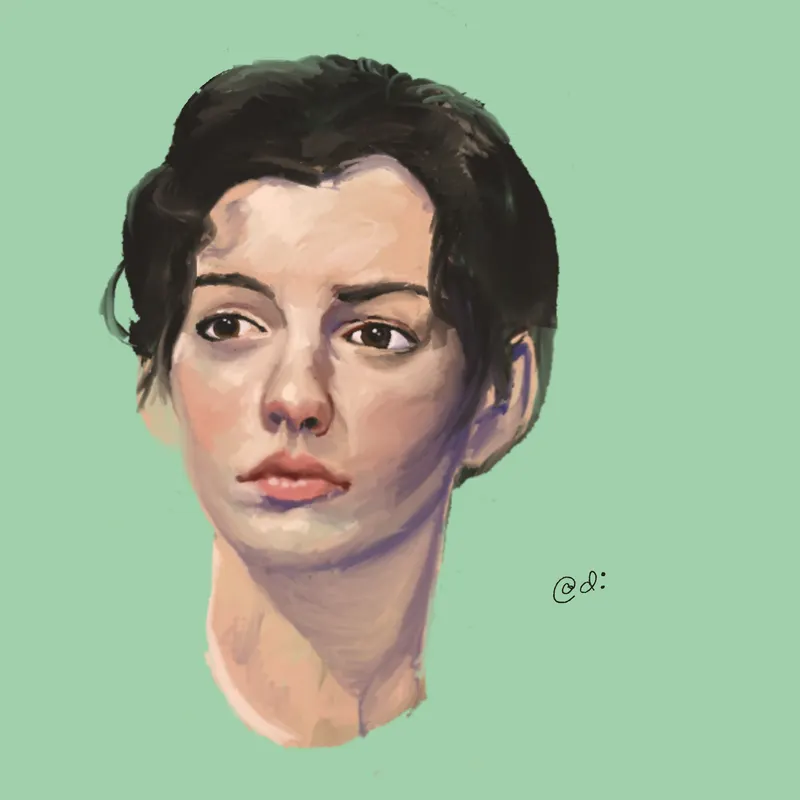
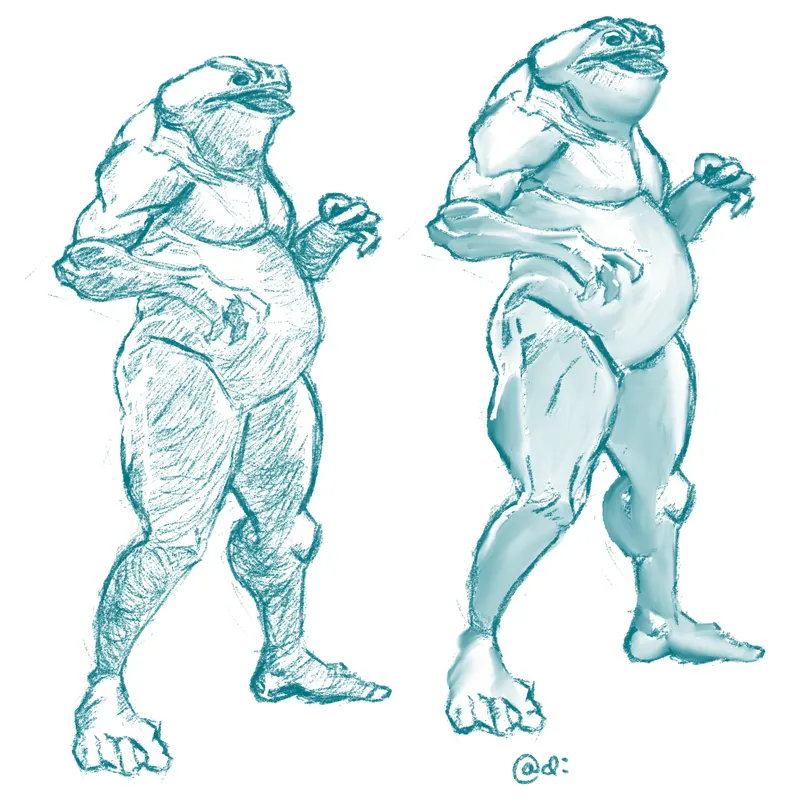
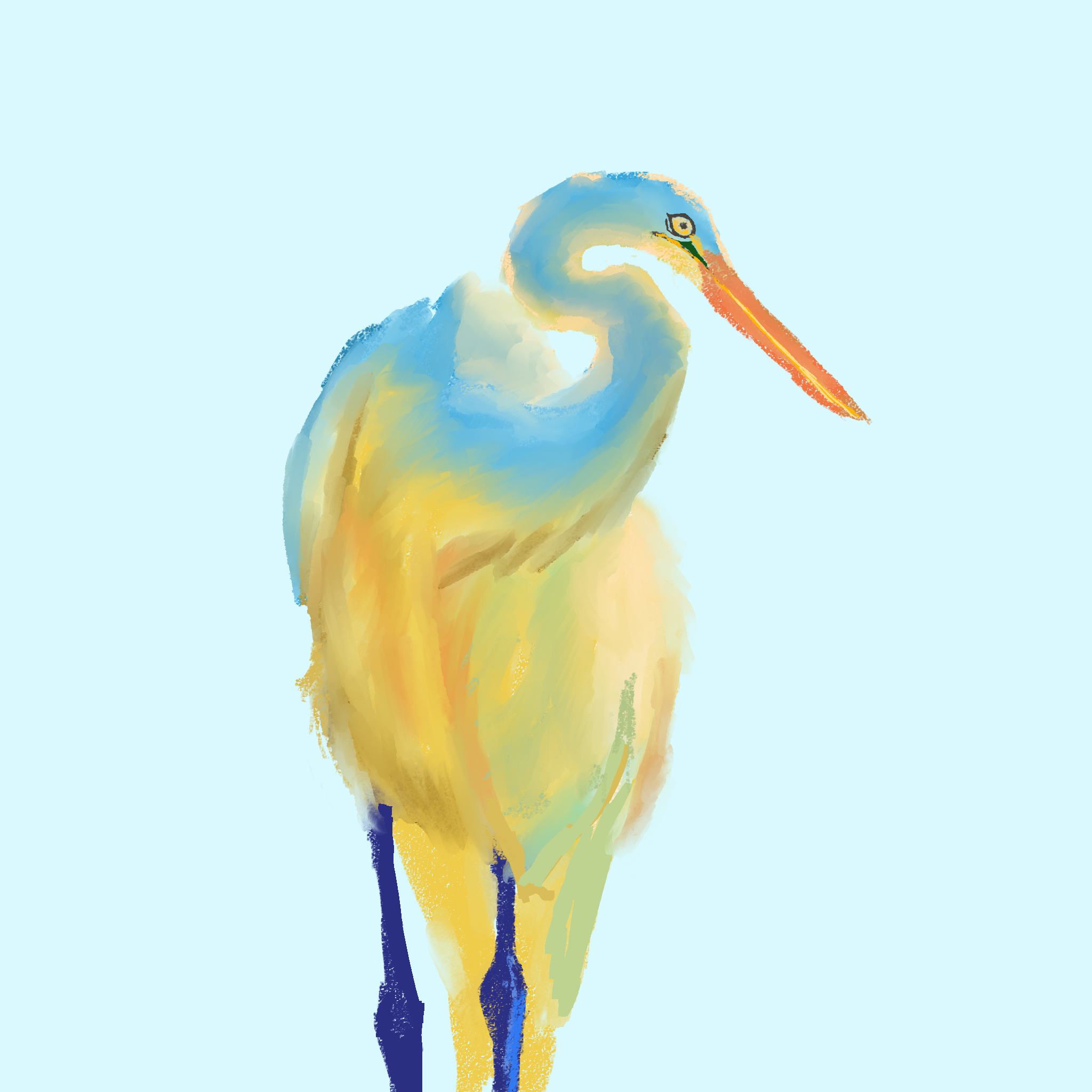
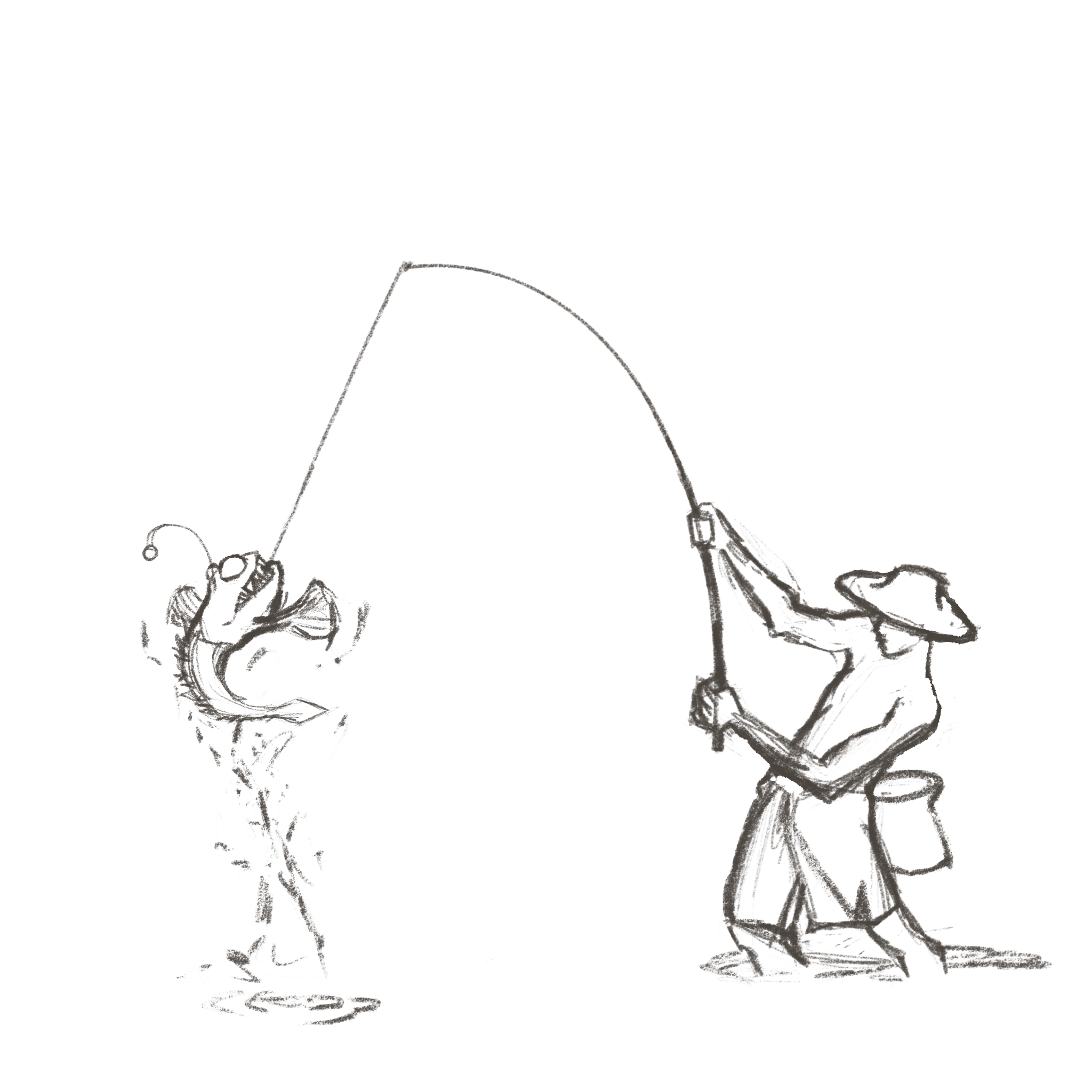
Of course, the most important part of learning to draw is learning to draw things I want to draw. Although I'm addicted to improvement in manual skill, the most value I get is from being able to create scenes and stories from conception to illustration. I have a long way to go before I feel confident enough to regularly finish pieces, but in the meantime I'm trying to enjoy experimenting with media and subject and style.
Conclusion
This was a good week for me. I feel like I've learned quite a bit and produced some work that I'm genuinely proud of. It feels good to enjoy working on fundamentals, and it feels even better to feel like I'm making progress. All that matters is that I draw - whatever it is, whenever it is. Just draw.
And that's my evergreen advice to any aspiring draftsperson. Just. Draw. Don't worry about what other people think you should practice. Don't try and draw 250 boxes straight in a single day. You will burn out. Enjoy drawing, and do it often. Do it whenever your finger itches to hold a pen. Do it at work. Do it on post-it notes. In the margins of your books. On disposable tablecloths at restaurants. Just. Draw.
Have a lovely week!